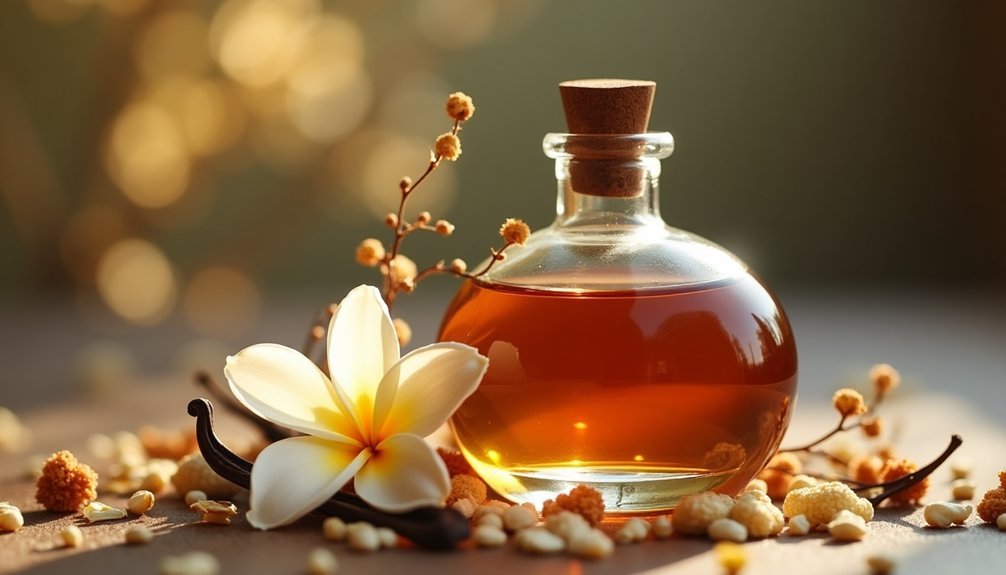
The best musk substitutes for your perfumes combine both botanical and synthetic options. You'll find excellent plant-based alternatives in ambrette seeds, angelica root, and hibiscus family plants, which offer warm, seductive scents. Synthetic musks provide consistent, ethical alternatives that protect endangered musk deer. For the most authentic results, try blending natural ingredients like patchouli, vetiver, and labdanum with modern synthetic compounds. There's a whole world of musk alternatives waiting to transform your fragrances.
Understanding Natural Musk and Why We Need Alternatives
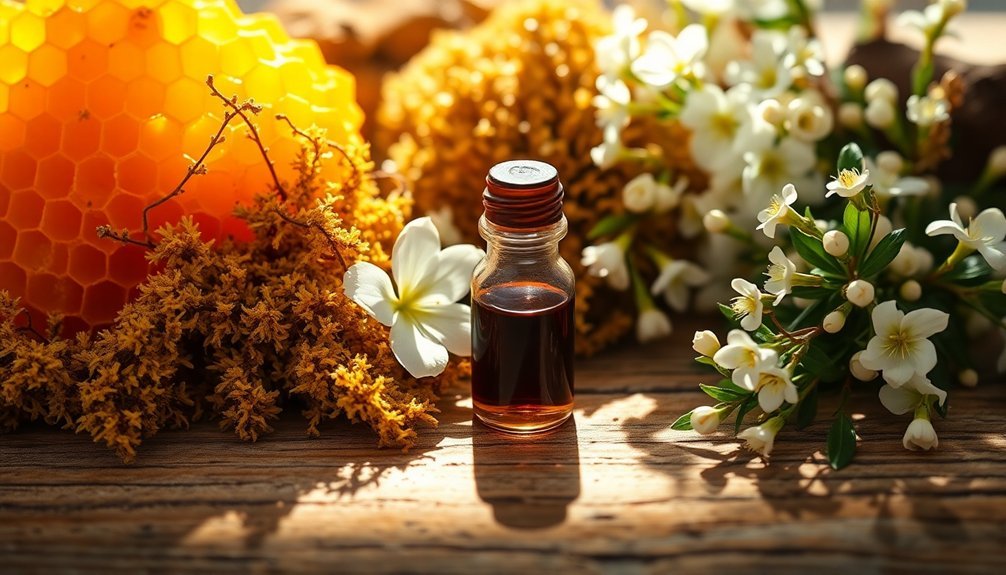
While natural musk has been prized in perfumery for centuries, its production raises serious ethical and environmental concerns. This precious ingredient comes from male musk deer in Tibet and China, where the brownish secretion is harvested from their abdominal glands and dried into dark pods.
Natural musk's complex chemical makeup includes macrocyclic ketones, pyridine alkaloids, and various steroids, creating its distinctive scent. Today's researchers are investigating ways to create musk through biotechnological methods that could revolutionize the industry.
However, you'll rarely find it in modern perfumes due to three major issues: the devastating decline in musk deer populations, strict regulations banning its use in many countries, and its astronomical cost.
These challenges have driven perfumers to seek alternatives, leading to the development of synthetic musks that can replicate the warm, sensual notes without harming animals.
Top Plant-Based Musk Substitutes in Modern Perfumery
As perfumers seek sustainable alternatives to animal-derived musk, several plant-based sources have emerged as leading substitutes in modern fragrance creation.
You'll find Abelmoschus moschatus, or ambrette, leading the way with its refined, musky-sweet scent. This Indian native produces ambrettolide, a molecule that delivers an elegant amber fragrance with fruity undertones. The seeds are carefully stored at 3000 meters to maintain their quality and prevent parasitic infestations.
Another excellent option is angelica root and seeds, which offer a fresh, musk-like aroma that's versatile and easy to blend.
If you're looking for additional botanical choices, you can turn to various hibiscus family plants. These alternatives create warm, seductive scents that work beautifully in contemporary perfumes.
They're particularly effective when combined with floral or woody notes, making them perfect for creating complex, long-lasting fragrances while maintaining vegan-friendly standards.
Synthetic Musk Compounds: A Sustainable Choice
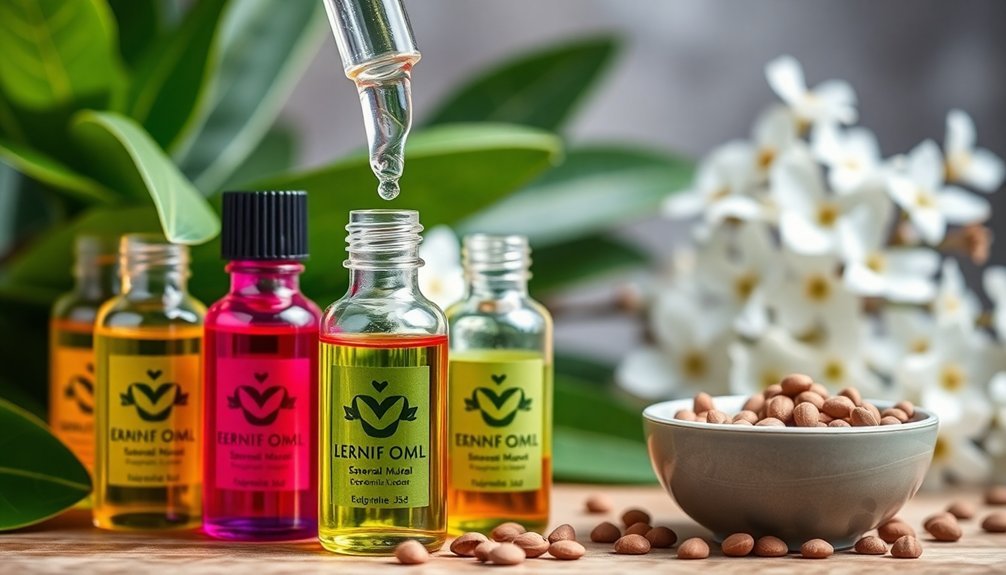
Since their introduction in the late 19th century, synthetic musk compounds have revolutionized the fragrance industry by offering a sustainable and ethical alternative to animal-derived musks. You'll find these compounds provide consistent scent profiles and controlled production processes that natural musks simply can't match. The development of synthetic alternatives has helped protect endangered musk deer populations from further decline.
| Musk Type | Benefits | Considerations |
|---|---|---|
| Nitro | Strong fixative properties | Usage restrictions in EU |
| Polycyclic | Long-lasting scent | Environmental persistence |
| Macrocyclic | Close to natural musk | Higher production cost |
| Acyclic | Cost-effective | Simpler molecule structure |
| Modern Synthetics | Environmentally safer | Ongoing development |
While synthetic musks are more accessible and cost-effective than their natural counterparts, it is crucial to recognize that some varieties face regulatory restrictions due to environmental concerns. However, newer formulations continue to emerge, offering improved safety profiles while maintaining the desired musk characteristics.
Blending Techniques for Natural Musk Alternatives
Creating natural musk alternatives requires skillful blending of botanical ingredients that can mimic the rich, warm qualities of traditional musk.
You'll find that angelica root, labdanum, and ylang-ylang form an excellent foundation for musk-like scents. To enhance the depth, you can layer jasmine and rose absolutes with geranium and lavender.
For a more complex profile, try incorporating ambrette seeds, which are prized for their authentic musk notes, along with tonka bean and vetiver.
You'll need to balance these rich elements with bergamot as a top note, while patchouli and sandalwood act as fixatives to guarantee longevity.
The key is finding the right proportions – start with small amounts of each ingredient and adjust until you've achieved your desired musky aroma.
Creating Your Signature Musk Base Using Botanicals
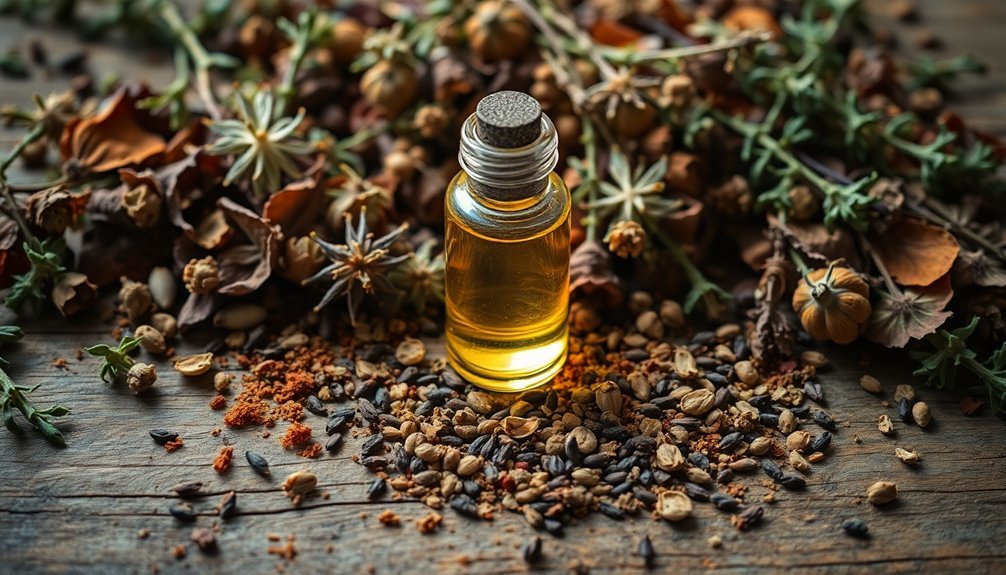
You'll want to start with ambrette seeds as your foundation, layering this clean botanical musk with earthier elements like labdanum or vetiver to create depth.
Building your signature musk base requires careful attention to proportions, typically using a 2:1 ratio of ambrette to supporting botanicals for a balanced blend.
Blending Essential Musk Notes
While synthetic musks dominate modern perfumery, botanical alternatives offer a natural pathway to creating your signature musk base.
You'll want to start with ambrette seeds as your foundation, which provide a sweet, floral musk quality that's both sophisticated and authentic.
To build complexity, combine ambrette with patchouli and labdanum. This pairing creates a deeper, more nuanced musk profile.
Add tonka bean to achieve those coveted white musk facets, then consider incorporating angelica for its unique scent contribution.
If you're seeking a softer, powdery aspect, musk mallow extract works beautifully as a complementary note.
Natural Layering Techniques
To achieve a sophisticated and enduring musk base, strategic layering of botanical elements proves essential.
Start with labdanum as your foundation, which acts as a natural fixative and provides that warm, amber-like quality that'll anchor your blend. Then, incorporate ambrette seeds for their sweet, floral undertones that'll enhance the overall complexity.
- Layer your base notes first, combining labdanum with oud for a rich, woody foundation.
- Add middle notes like musk mallow to create a powdery bridge between base and top notes.
- Finish with complementary florals such as rose or neroli to achieve a balanced composition.
Remember to test your creation on your skin, as these natural elements interact uniquely with your body chemistry, revealing different nuances throughout the day.
Ambrette-Forward Base Building
Building a signature musk base starts with understanding ambrette's remarkable versatility as a botanical powerhouse. You'll find that this hibiscus-derived ingredient offers the perfect foundation for creating unique musk accords while maintaining ethical and sustainable practices.
| Base Note Combinations | Expected Results |
|---|---|
| Ambrette + Vetiver | Deep, earthy musk |
| Ambrette + Labdanum | Rich, amber-like depth |
| Ambrette + Sandalwood | Creamy, sensual blend |
| Ambrette + Cedarwood | Clean, balanced musk |
To craft your signature base, start with ambrette as your primary note, then layer complementary oils to achieve your desired intensity. You can adjust the ratios to find your perfect balance – more ambrette for a stronger musk presence, or less for a subtle foundation that enhances other notes without overpowering them.
Essential Oil Combinations That Mimic Musk Notes
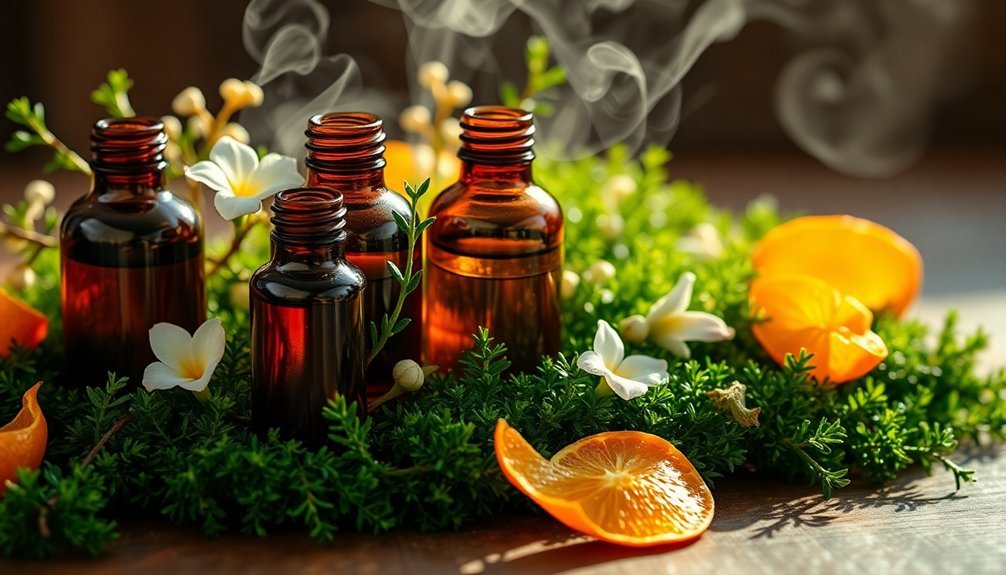
Several essential oil combinations can effectively replicate the coveted musk fragrance without using animal-derived ingredients.
You'll find that blending woody and herbal oils like cedarwood, patchouli, and vetiver creates a robust musky foundation. The key is following the 30/50/20 rule for balancing your top, middle, and base notes.
For the best musk-like results, try these proven combinations:
- Mix ambrette seed extract with tonka bean absolute for a natural white musk scent
- Combine patchouli and vetiver essential oils for a deep, earthy base
- Blend mimosa absolute with floral notes like lavender or rose geranium for a softer musk profile
Remember to age your blend in a cool, dark place to develop a more refined scent over time.
Safety Guidelines for Working With Musk Alternatives
When working with musk alternatives, you'll need to follow strict safety protocols to protect both your health and the environment.
Always perform a patch test before using any natural musk substitute to check for allergic reactions, especially if you have sensitive skin. Even natural ingredients can cause irritation, redness, or rashes.
Store your musk alternatives in airtight containers away from direct sunlight and heat.
When handling plant-based musks like ambrette seed or angelica root, wear gloves and work in a well-ventilated area. Don't exceed recommended dilution ratios, as concentrated botanicals can be potent.
Choose sustainably sourced ingredients and dispose of any waste properly to prevent environmental contamination.
If you're working with laboratory-created musks, verify they comply with current safety regulations and aren't on banned substance lists.
Frequently Asked Questions
How Long Do Synthetic Musk Fragrances Typically Last Compared to Natural Ones?
You'll find synthetic musks last consistently longer, typically staying on your skin for several days, while natural musks provide variable longevity, usually requiring more frequent application despite their rich, complex scent profile.
Can People With Sensitive Skin Safely Wear Synthetic Musk Alternatives?
If you have sensitive skin, you'll want to avoid synthetic musks and opt for botanical alternatives like ambrette seed or natural essential oils. Always patch test first and choose hypoallergenic formulations for safety.
Do Musk Alternatives Smell Different in Various Weather Conditions?
Yes, you'll notice musk alternatives smell differently in various weather conditions. They're stronger and evaporate faster in heat, while humidity makes them last longer and project better on your skin.
Which Musk Substitutes Work Best for Creating Unisex Fragrances?
You'll find Galaxolide and Exaltolide work exceptionally well for unisex fragrances. They're versatile and create balanced scents that aren't too masculine or feminine, especially when paired with ISO E Super.
Are There Cultural Preferences for Certain Types of Musk Alternatives?
You'll find Western markets prefer synthetic musks for their clean, modern profile, while Middle Eastern regions traditionally favor natural alternatives. However, synthetic options are gaining acceptance globally due to ethical and sustainability concerns.
In Summary
Whether you're choosing plant-based ambrette seed, synthetic alternatives like galaxolide, or creating your own blend of essential oils, you'll find plenty of ethical musk substitutes for your perfumes. Remember to follow safety guidelines when working with these alternatives, and don't be afraid to experiment with different combinations until you discover your perfect signature scent. The world of modern perfumery offers countless options beyond traditional musk.



Leave a Reply