
You'll find several effective alternatives to traditional perfume test strips right in your home. Cotton handkerchiefs, old t-shirt strips, and unbleached coffee filters work excellently for sampling scents, while watercolor paper offers superior fragrance retention. For a more sustainable approach, try reusable fabric options like silk or linen, or explore modern digital scent-sampling technologies. Discovering the perfect testing method can transform your fragrance exploration journey.
Natural Fiber Alternatives for Scent Testing
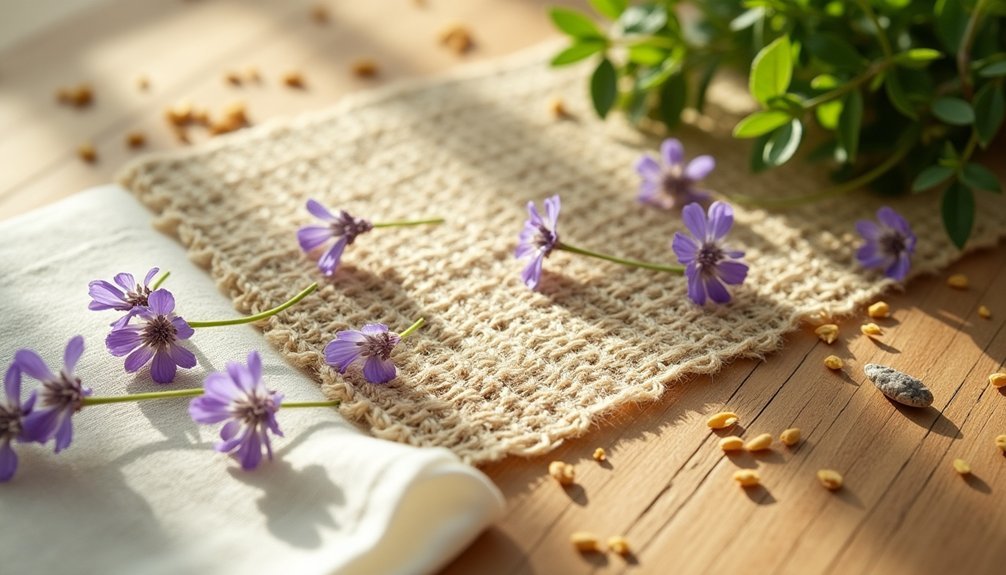
When choosing alternatives to traditional perfume test strips, natural fibers offer superior scent testing capabilities while being environmentally conscious.
You'll find cotton and linen particularly effective for scent testing, as their breathable nature helps fragrances develop naturally on the fabric.
Consider using monogrammed cotton handkerchiefs, which provide both elegance and practicality – they're reusable and easy to clean.
Elegant monogrammed cotton handkerchiefs offer a refined way to test fragrances while maintaining sustainability through their reusable nature.
If you're looking for an eco-friendly option, repurpose old t-shirts by cutting them into strips; they'll hold scents longer than paper testers.
For a luxurious experience, try silk handkerchiefs, which offer a unique way to sample fragrances thanks to their smooth texture that doesn't over-absorb the scent.
These natural fiber alternatives not only enhance your testing experience but also reduce waste while providing a more pleasant tactile sensation.
DIY Paper-Based Testing Materials
When choosing paper-based materials for fragrance testing, you'll find that unbleached coffee filters cut into strips offer an economical solution, while watercolor paper provides superior absorption for longer-lasting scent evaluation.
You can enhance the durability of coffee filter strips by folding them lengthwise, creating a sturdier testing surface that won't tear easily during use.
For best results with watercolor paper, cut it into uniform strips about half an inch wide and store them in an airtight container to prevent contamination from ambient odors.
Paper Selection Tips
While creating your own fragrance test strips might seem intimidating, selecting the right paper material is essential for accurate scent testing. When considering paper selection tips, opt for thicker watercolor or drawing paper, as they'll provide superior fragrance absorption and longer-lasting results.
If you're looking for a budget-friendly option, unbleached coffee filters work well – simply cut them into strips for effective scent testing.
For enhanced durability and scent retention of up to 48 hours, consider using cover stock or high-quality printing paper.
You can also explore fabric alternatives by repurposing old t-shirts or linens, though these require proper cleaning between uses.
Don't hesitate to experiment with different art papers and thicknesses to find what works best for your specific needs in scent sampling.
Coffee Filter Testing Guide
Since coffee filters provide an accessible and cost-effective alternative to commercial scent strips, you'll find them particularly useful for DIY fragrance testing. For ideal results, select thicker filters that absorb scents well and cut them into smaller strips to maximize your testing materials.
To create effective scent strips, fold your coffee filters to strengthen their structure and form a pointed tip, making them easier to handle during fragrance application.
You'll want to store your prepared strips in a clean plastic bottle to protect them from ambient odors that could interfere with testing.
What makes coffee filters especially valuable is their unique ability to replicate how fragrances disperse in the air, offering you a more authentic testing experience compared to standard paper alternatives.
Watercolor Paper Prep Methods
Thanks to its superior absorption properties, watercolor paper serves as an excellent DIY alternative for fragrance testing strips.
You'll find that acid-free watercolor paper is your best choice, as it won't introduce unwanted chemical interactions with your perfumes.
To prepare your own scent strips, cut the watercolor paper into 5-inch lengths, similar to commercial testing strips.
If you've got kids or do artwork at home, you'll likely have watercolor paper readily available.
What makes this option particularly effective is its impressive scent retention – your fragrance tests can last for several weeks due to the paper's thickness and absorbent qualities.
This longevity allows you to compare different scents over time and track how they develop, making watercolor paper an ideal choice for DIY fragrance testing.
Modern Digital Scent Sampling Methods
You'll find remarkable advances in digital scent technology transforming how you sample fragrances today, with virtual reality systems and smart devices that can simulate perfume experiences without physical strips.
Modern fragrance testing now incorporates interactive apps and wearable devices that analyze your skin chemistry to suggest personalized scent matches.
These digital alternatives include connected scent-emitting devices and in-store kiosks that let you experience fragrances through digital interfaces, creating an innovative way to discover your perfect scent.
Digital Scent Technology Advances
As digital technology continues to revolutionize the fragrance industry, innovative alternatives to traditional perfume test strips are emerging.
You'll find cutting-edge digital scent technology that allows you to sample fragrances through sophisticated scent-emitting devices, eliminating the need for paper strips. Advanced olfactometers can now mix and deliver scents in real-time, giving you access to an extensive range of fragrances instantly.
You can explore perfumes through portable digital dispensers that use specialized cartridges to release scents on demand.
What's more, you'll benefit from scent recognition features that analyze fragrance compositions and identify potential allergens. The integration of these technologies with VR experiences is creating immersive environments where you can sample scents while engaging with digital content, transforming how you discover and experience perfumes.
Virtual Reality Fragrance Testing
Modern fragrance sampling takes a quantum leap forward with virtual reality technology, placing an entire perfume counter at your fingertips. You'll experience scents through innovative digital scent sampling methods that combine visual immersion with synchronized scent delivery systems.
| Feature | Benefit |
|---|---|
| VR Headset Integration | Test fragrances from home |
| Smart Scent Emission | Real-time fragrance release |
| AI Recommendations | Personalized scent matching |
This cutting-edge approach lets you explore fragrances in immersive environments while receiving tailored suggestions based on your preferences. You'll save time by testing multiple scents without overwhelming your nose, as the technology carefully controls scent intensity and timing. The system's machine learning capabilities learn from your choices, continuously refining recommendations to match your unique taste profile.
Smart Device Sampling Apps
Digital perfume exploration reaches new heights through smartphone and tablet applications that bring scent discovery to your mobile device.
Smart device sampling apps now utilize cutting-edge technology to help you experience fragrances virtually before making a purchase.
You'll find these apps equipped with AR features that show how different scents might complement your style and environment.
The integrated scent recognition technology lets you scan your favorite perfumes to receive AI-powered recommendations for similar fragrances.
Digital scent sampling methods analyze your preferences and purchase history to create personalized suggestions that match your unique taste.
The latest developments even include experimental interfaces that can emit actual scents, transforming how you'll interact with and test fragrances in the future.
Sustainable Testing Materials and Methods
While traditional perfume test strips contribute to paper waste, several sustainable alternatives offer both environmental benefits and enhanced scent testing experiences.
You'll find that old t-shirts and linens make excellent scent strips, as they hold fragrances longer and can be washed for reuse. Thicker watercolor paper provides better scent absorption than standard strips, while unbleached coffee filters offer an economical DIY solution.
For a more luxurious approach, consider using monogrammed cotton or silk handkerchiefs, which combine elegance with sustainability.
If you're looking to eliminate disposable materials altogether, try personal application techniques by spraying directly on your skin and wafting the scent to your nose.
These sustainable alternatives not only reduce waste but also enhance your fragrance testing experience through varied textures and improved scent retention.
Household Items as Fragrance Blotters
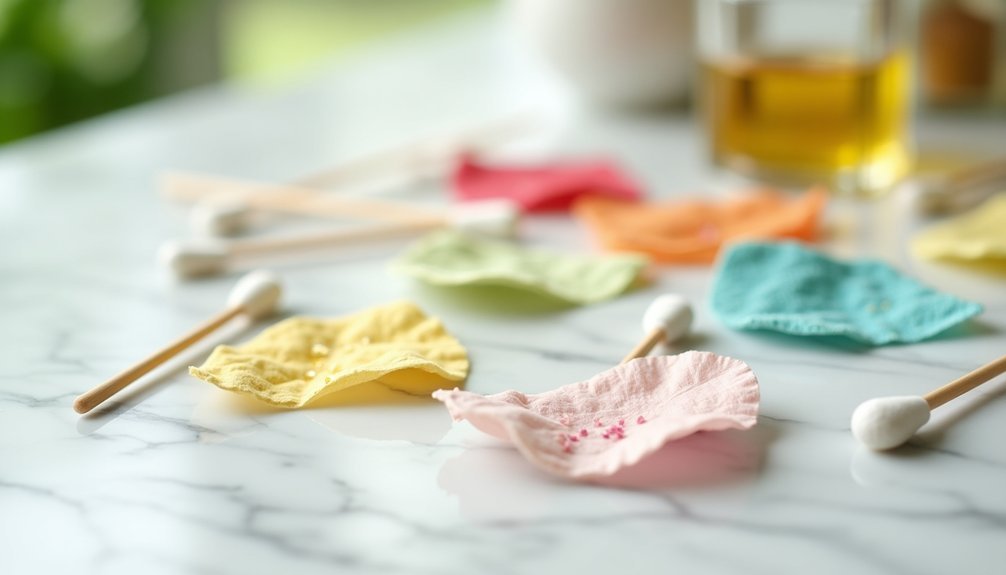
Looking around your home, you'll discover many common items that make excellent fragrance blotters. Old cotton handkerchiefs offer a soft, absorbent surface that's perfect for testing your favorite scents.
You can also reach for unbleached coffee filters, which won't interfere with the fragrance's true notes and can be easily cut into smaller strips.
For a more sophisticated option, consider using art paper, especially watercolor or drawing paper, as it holds scents longer than regular paper.
Here are three key benefits of using household alternatives:
Smart fragrance lovers choose household alternatives – saving money, protecting the environment, and getting better scent performance all at once.
- They're more environmentally friendly than disposable commercial strips
- You'll save money by repurposing items you already own
- Many household options provide better absorption and scent retention
These readily available materials make fragrance testing both convenient and sustainable.
Professional Testing Techniques at Home
To achieve professional-quality fragrance testing at home, you'll need more than just the right materials—proper technique is vital.
Using custom scent strips made from thick watercolor paper or high-quality card stock will guarantee ideal fragrance absorption and testing longevity of up to 48 hours.
For the most authentic testing experience, don't rely solely on testing materials. Apply fragrances directly to your pulse points, especially ankles, and waft the scent toward your nose. This method reveals how the perfume interacts with your skin chemistry.
You can also elevate your testing routine by incorporating reusable materials like silk handkerchiefs or unbleached coffee filters. Cut these alternatives into smaller pieces and fold them for added strength, creating professional-grade testing strips that rival those found in perfume shops.
Cost-Effective Scent Sampling Solutions
Professional fragrance testing doesn't have to drain your wallet. You'll find several cost-effective alternatives to traditional scent strips right in your home. These everyday items can transform your fragrance sampling experience while keeping costs low.
- Cut coffee filters into smaller pieces for quick, efficient scent testing.
- Repurpose old t-shirts or linens for a reusable sampling option that holds fragrances longer.
- Use watercolor or drawing paper as customizable testing strips that absorb scents effectively.
For an even more personalized approach, try using monogrammed handkerchiefs in cotton or silk. They're not just stylish – they're functional tools for fragrance sampling.
If you prefer a direct testing method, skip the strips altogether and apply the scent to your ankles, then waft the fragrance upward to experience the full effect.
Best Practices for Alternative Testing Methods
Anyone can master alternative fragrance testing with the right techniques and materials. You'll find success using thicker watercolor paper strips or drawing paper, which offer superior absorption and longer-lasting scent retention.
For an eco-friendly approach, transform old t-shirts or linens into fabric testing swatches that hold fragrances effectively.
When you're testing scents, spray directly onto your pulse points, particularly your ankles, and waft the fragrance upward for the most authentic experience. If you prefer test strips, consider unbleached coffee filters as an affordable alternative – they're easily customizable and absorb scents well.
Connect with online fragrance communities to discover new testing methods and share experiences with others who are exploring different materials. These approaches will help you evaluate perfumes more accurately and sustainably.
Frequently Asked Questions
What Can You Use to Test Perfume?
You can test perfumes using coffee filters cut into strips, thick art paper, old fabric pieces, or sturdy cards. You'll also get great results by spraying directly on your wrists and wafting gently.
What Can I Use as a Substitute for Perfume?
You can create your own perfume using essential oils, alcohol, or natural extracts. Alternatively, try scented body oils, fragrant lotions, or body mists. Even scented hair products can serve as perfume substitutes.
How Can I Test My Perfume at Home?
You can test perfumes at home using DIY strips made from watercolor paper, coffee filters, or cotton fabric. Simply spray the scent on your chosen material and wave it gently to evaluate the fragrance.
What Kind of Paper Is Used for Perfume Testing?
You'll find that high-quality watercolor paper, unbleached coffee filters, or art cover stock work best for perfume testing. They're absorbent, pH-neutral, and hold scents well, lasting up to 48 hours after application.
In Summary
You've got plenty of options to replace traditional perfume test strips while still getting accurate scent impressions. From natural fibers like cotton and linen to DIY paper alternatives and digital sampling methods, you'll find what works best for your needs. Whether you're testing at home or professionally, remember to choose materials that won't interfere with the fragrance and allow proper drying time between samples.